Thinking about adopting a pet from another country?
International pet adoptions can save lives and bring joy to families, but they can also come with serious health risks—for both animals and people. Pets from other countries may carry diseases that are not found in the United States, making them difficult for local veterinarians to recognize and treat. Some of these diseases can spread to humans (zoonotic diseases), while others may be introduced into local animal populations. Sometimes pets can appear perfectly healthy during travel or adoption, even if they're carrying a serious illness.
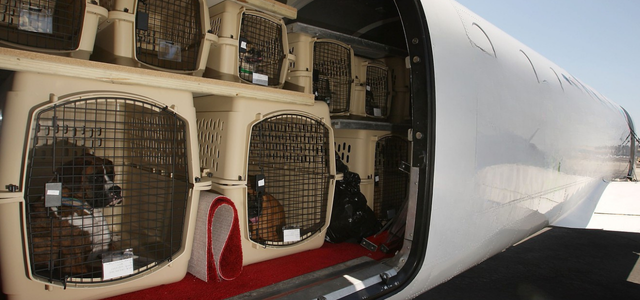
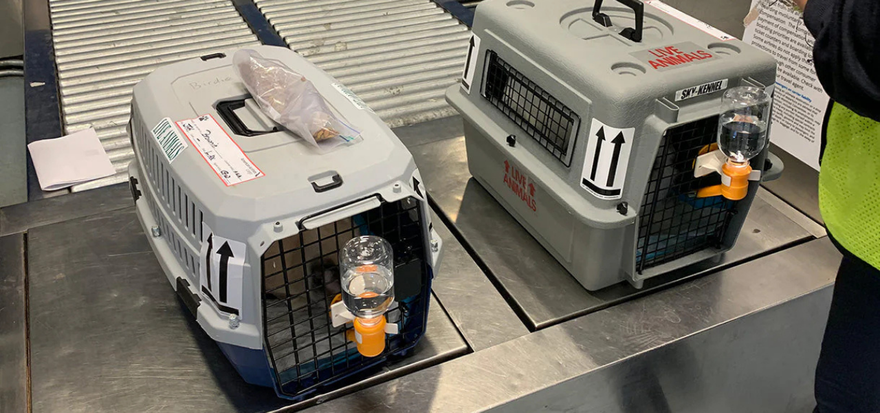
Moreover, some pets experience long journeys to enter the United States, and spend many hours in crates and on airplanes. Long distance travel is stressful for all pets, and may be especially hard on very young pets, very old pets, or those with health conditions, making them even more susceptible to illness.
Up to 75% of emerging infectious diseases are zoonotic, meaning they can be spread between animals and humans.
If you are thinking of purchasing or adopting a pet from another country, ask for at least the following and share what you learn with your vet.
- What is the exact location in the originating country that the pet came from?
- Request all documents related to the pet, at a minimum medical and travel records.
- Have other pets that have come from that area experienced any infectious diseases?
Below are examples of zoonotic and vector-borne diseases that have been introduced to LA County through imported pets. Understanding these risks can help keep you, your family, and your community safe.
Rabies is a deadly but preventable virus that can affect all mammals, including humans. The canine-maintained variant of rabies, eradicated in the US in 2007, remains active in over 100 countries and is responsible for most human rabies deaths globally.
Several rabid dogs have been imported into the US, including a stray puppy from Thailand brought in through LAX in 2004. Infected dogs can incubate the virus for 2 weeks to 3 months before symptoms appear and may initially seem healthy.
Canine flu is a highly contagious respiratory disease in dogs. While it currently poses little risk to people, it can cause mild to severe illness in dogs and may be fatal. The virus is not endemic to the United States but has been introduced repeatedly through dogs imported from Asia. Occasionally, new strains of flu in dogs in Asia are reported, and they could be imported via a sick dog. Other flu strains circulating internationally continue to pose a threat through imported animals.
LA County experienced its largest outbreak of canine flu from July 2021 to January 2022, linked to a dog imported from China. This outbreak resulted over 1300 illnesses in dogs, and 21 dog deaths.
Leishmaniasis is caused by a parasite transmitted via sandflies. It can take many forms and can be fatal if not treated. Infected dogs remain lifelong reservoirs.
It is endemic in tropical and subtropical regions of Asia, Africa, Southern Europe, the Middle East, and the Americas. It is rare in the US and often hard to diagnose. Cases in the US are increasing, partly due to pet importation.
Between 2011 and 2024, four dogs with leishmaniasis were imported into LA County—two from Armenia and two from Turkey. Additional suspected cases were not tested.
The parasite can incubate for over a year, so infected dogs may initially appear healthy.
Brucellosis in dogs is caused by Brucella canis, a bacterium that affects reproductive organs in dogs and can lead to infertility, spinal infections, and more. Although antibiotics can be used to treat dogs, dogs usually do not clear the infection. Humans can become infected after handling infected dogs or bodily fluids such as urine.
Symptoms may be subtle and develop over time. Infected dogs may incubate the bacteria for months without showing signs. Dogs with Brucella canis typically remain infected for life.
Since 2009, there have been growing outbreaks of Rocky Mountain Spotted Fever (RMSF) spread by Brown Dog Ticks in northern Mexico. In recent years, an increasing number of human cases of RMSF have been reported from the municipal areas of Mexicali and Tijuana, where many rescued dogs originate. Studies show that dogs in those areas have a higher rate of exposure to Ehrlichia and Anaplasma (other types of bacteria that can be found in infected ticks and passed on through tick bites).
Brown Dog Ticks infest yards and homes and can be difficult to eradicate once an infestation becomes large.
Dogs adopted from these areas should always be carefully checked for ticks and treated for ticks before they are transported. If appropriate, they should be tested and treated if needed for these diseases before transport.
References:
TVT is a contagious cancer of dogs. It does not spread to people, cats, or other animals. Cancer cells can spread from dog to dog through mating, or through bite wounds. Tumors can be invasive and extensive in some cases. Fortunately, TVT usually responds well to chemotherapy and is often curable.
TVT is found in stray dogs in many countries in the world. However, it is currently rare in LA County and few veterinarians have direct experience with it here. Between 2021 and May 2025, eight cases of TVT in dogs imported from Mexico were reported in LA County. An additional case was reported in a stray dog in LA County in 2025.
References:
Imported pets may arrive without proper vaccinations or parasite prevention. Many have been diagnosed with preventable diseases such as parvovirus, distemper, or intestinal worms.
Multiple dogs imported to the LA County area from Asia and from other parts of the US have tested positive for heartworm. This shows that many imported pets may not be receiving important preventative care prior to being shipped to LA County.
Importing & Exporting Animals: Regulations
Importing dogs or cats into LA County requires understanding federal, state, and local regulations. These laws are designed to protect public health and animal welfare by preventing the spread of infectious diseases and stopping unethical practices such as illegal puppy mills. Review all requirements carefully before bringing any animal across borders.
Interstate Importation of dogs & cats (from other US States):
Your pet must be in good health to travel. Dogs and cats imported into California must follow California State Laws.
Interstate Importation of Dogs
- Dogs must be vaccinated with a California-approved rabies vaccine for dogs
over
four (4) months of age to reside in California. Vaccination can occur as early as 3
months of age.
- If the dog was vaccinated outside of California with a rabies vaccine not approved for use in California, the dog must be re-vaccinated with a California-approved rabies vaccine to remain in California.
- All dogs in California must be licensed by the jurisdiction where the dog will be residing.
- While a health certificate (otherwise known as a certificate of veterinary inspection,
or CVI) is not always legally required to enter the state, it is recommended, and some
airlines may require one for transport. A CVI is an official document that verifies that
an animal has been inspected by a veterinarian and meets the regulations for its
intended movement.
- CVIs must be completed by a licensed veterinarian no more than 10 days before the dog's arrival in California.
- If the dog is changing ownership, including being sold or adopted to new owners in California, a copy of the CVI must be sent to the local health department where the dog will reside before arrival.
- If the dog is changing owners and is moving to LA County, email the CVI to vet@ph.lacounty.gov.
Interstate Importation of Cats
- Your cat must be in good health to travel.
- While no documents are required for pet/domestic cats entering California, a health certificate (otherwise known as a certificate of veterinary inspection, or CVI) is recommended, and some airlines may require one for transport.
- Cats imported into California must follow California State Laws.
Interstate Importation of Wildlife and Exotic Pets
- Individuals or organizations wishing to import certain wildlife or exotic pets into California must comply with California Department of Public Health (CDPH) and California Department of Fish and Wildlife (CDFW) requirements.
Interstate Importation of Livestock
- Interstate importation of livestock into California is regulated and permitted by the California Department of Food and Agriculture (CDFA)
- Most livestock entering the state must be accompanied by a Certificate of Veterinary Inspection (CVI) and may require an entry permit issued by CDFA.
Importing Pets into the United States (from other countries)
If you are importing a dog or cat from another country, or bringing your dog or cat back into the US after traveling, you must follow the current CDC guidelines and USDA guidelines. Dogs and cats imported into California must be in good health and must follow California State Laws.
Failure to comply with federal regulations can result in your pet being denied entry into the United States.
International Importation of Dogs
- Your pet must be in good health to travel.
- While a health certificate (otherwise known as a certificate of veterinary inspection, or CVI) is not always legally required to enter the US, it is STRONGLY recommended, and some airlines may require one for transport.
- Follow all relevant California State Laws.
- Follow all requirements of federal agencies, including the CDC, USDA, and Customs and Border Protection (CBP) Note: The CDC often requires completion of a CDC Dog Import Form and potentially additional requirements before a dog arrives in the US.
- Dogs must be vaccinated with a California-approved rabies vaccine for dogs
over
four (4) months of age to reside in California. Vaccination can occur as early as 3
months of age.
- If the dog was vaccinated outside of California with a rabies vaccine not approved for use in California, the dog must be re-vaccinated with a California-approved rabies vaccine to remain in California.
International Importation of Cats
- Your cat must be in good health to travel.
- While no documents are required for pet/domestic cats entering the US, a health certificate (otherwise known as a certificate of veterinary inspection, or CVI) is STRONGLY recommended, and some airlines may require one for transport.
- Cats imported into California must follow California State Laws.
Additional Requirements in Los Angeles County
All dogs residing in California must also be licensed with your local animal control or animal licensing agency by 4 months of age. Call 211 to find your local animal control agency.
Cats are not mandated by California state law to be vaccinated for rabies or licensed, however, the city the cat is residing in may have stricter regulations mandating vaccination and/or licensing of cats. Please note it is strongly recommended to vaccinate all cats for rabies, including indoor cats. Every year in LA County at least one confirmed rabid bat is found indoors.
Risks and Public Health Concerns
Pet ownership has many benefits, but it’s important to research breeders, rescues, or adoption groups—especially when adopting from another country or state. Risks include scams, poor animal welfare, and serious diseases not found in the US, such as rabies and leishmaniasis, which can take months to show symptoms. Learn more about bringing a dog into the US on the CDC website.
Exporting pets
For pet exportation or travel to countries outside of the United States, you must follow the destination country’s requirements and regulations. For more information about pet travel, exportation, and finding a USDA accredited veterinarian, please see the USDA Website.
Pet Adoption Tips
Adopting a pet can bring joy, companionship, and health benefits—but it also comes with responsibilities. Before adopting from another state or country, it’s important to evaluate the safety, welfare, and legitimacy of the source. Pets from unknown or unverified groups may arrive sick, improperly vaccinated, or under inhumane conditions, and scams are unfortunately common.
Planning a Safe & Healthy Adoption
Adopt from a Local Shelter!
Adopting from a local animal shelter or rescue group is the safest way to welcome a new pet into your home. These pets receive veterinary care, core vaccinations, flea/tick treatment, and are spayed or neutered and microchipped before adoption. You'll also have the opportunity to meet the pet in person and ensure it’s the right fit for your household.
If You're Considering an Out-of-State or International Pet
Take extra precautions to ensure the pet is healthy and the organization is legitimate. Pets imported from unfamiliar sources may carry diseases not commonly found in the US, or may be coming from unethical breeding operations.
- Research the adoption agency, rescue group, or breeder before adopting or purchasing a pet.
- Find out exactly where the pet came from (e.g., which country or state, and what region within that location).
- Talk with your veterinarian to understand risks associated with international or interstate pet travel.
- Request documentation, such as a Certificate of Veterinary Inspection (CVI) or health certificate.
- Schedule a veterinary exam immediately after your pet arrives—even if they appear healthy.
- Limit exposure by keeping your new pet away from public spaces (dog parks, grooming, daycare) for at least 30 days after adoption.
- Meet the pet in person before finalizing the adoption whenever possible.
Pet Adoption Scams
Scams involving pet adoptions and purchases—especially online—are common. People claiming to be rescue groups or breeders may misrepresent the animal or never deliver it at all.
Common pet adoption scams include:
- Payment is sent, but the animal never arrives
- The wrong pet is sent—different age, breed, color, or sex
- The animal arrives sick or injured, with forged or missing health records
- Misleading backstories (e.g., falsely claiming the pet was rescued from a meat farm)
Animal Welfare Concerns
Many breeders and organizations operating internationally or even within the US may keep animals in unsafe, inhumane conditions—often referred to as puppy mills. These pets may be poorly socialized, malnourished, or sick.
Risks and inhumane conditions may include:
- Crowded or unsanitary housing with no access to exercise or proper care
- Exposure to disease due to lack of veterinary oversight
- Crate confinement for long international flights without food, water, or temperature control
- Animals arriving soiled, dehydrated, or, in extreme cases, deceased
Even within the US, puppy mills and poorly regulated transport can subject animals to unnecessary stress and suffering. Always verify the origin and treatment of a pet before adopting or purchasing.
Unseen Journeys: Problems in Animal Importation

Scammers posing as breeders on Instagram or other platforms lure buyers into sending money for puppies that don’t exist or are seriously ill. Always verify the seller and meet the pet in person if possible.
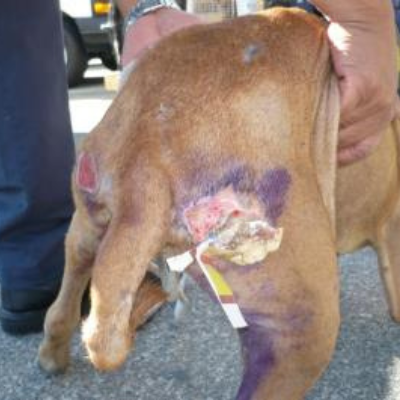
This dog was suffering from Leishmaniasis, a parasitic disease rare in the US but common abroad. It can infect humans and incubates silently for over a year. Four cases were imported into LA County between 2011–2024.

In 2021, LA County experienced a large canine influenza outbreak traced to a dog imported from China. Over 1,000 dogs became sick and 21 died. Imported animals can trigger major disease outbreaks.